
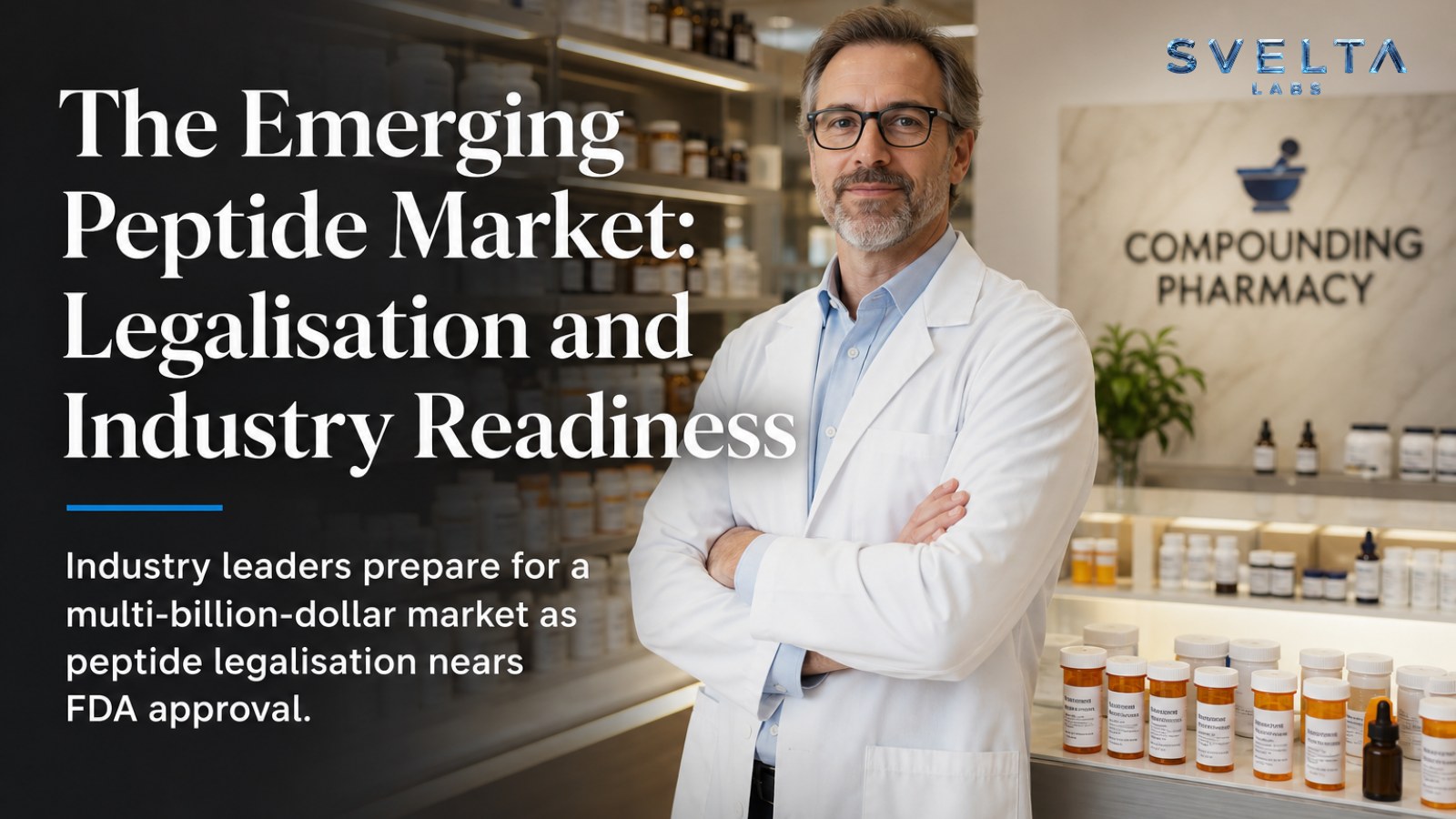
Peptides, a diverse class of amino acid-based compounds, are on the cusp of a potential legal breakthrough in the United States. An FDA advisory panel is set to review whether to recommend the legal production of up to seven peptides, including popular injectables like BPC-157 and TB-500, which have gained attention online for their proposed effects on tissue repair and inflammation. Currently, these peptides are only legal for research use, but a thriving grey market has emerged, despite limited scientific evidence on their safety and efficacy.
Industry Anticipates Regulatory Change
Key players in compounding pharmacies and telehealth are preparing for what some describe as a "circus" of interest and opportunity. Companies like Empower Pharmacy and Strive Pharmacy have been expanding production capabilities, anticipating FDA approval to manufacture these peptides for human use. Telehealth providers, including Hims & Hers, are also positioning themselves to enter this market, leveraging their scale and clinical expertise.
Compounding pharmacies, which blend medications tailored to individual patients, have seen resurgence through hormone therapies and GLP-1 weight-loss drugs. However, legal challenges and market shifts have prompted many to look towards peptides as the next frontier. Unlike GLP-1 drugs, the peptides under consideration are not patented by pharmaceutical companies, potentially allowing broader access through compounding.
Challenges and Considerations
- Safety and efficacy data on these peptides remain limited, raising concerns among public health advocates and regulatory bodies.
- The current grey market poses risks such as contamination and inaccurate dosing due to lack of oversight.
- Establishing compliant supply chains for pharmaceutical-grade peptide ingredients will be complex and time-consuming.
- Legalisation may increase availability but could also lead to widespread use without robust clinical validation.
Industry experts caution that the process from FDA recommendation to full approval and market readiness could take months to over a year, with supply chain logistics presenting a significant hurdle. Nonetheless, the potential market value is substantial, with some companies projecting revenues in the hundreds of millions.
Looking Ahead
The anticipated regulatory decisions mark a pivotal moment for peptides, potentially transforming their status from research-only substances to legally compounded medications. This shift could open new avenues for telehealth providers, compounding pharmacies, and wellness brands to offer peptide-based products, albeit with ongoing scrutiny regarding their scientific backing.
For those interested in peptide research and product literacy, it is important to note that these developments are primarily relevant to research and compounding contexts. Peptides remain investigational in many respects, and their use outside approved settings should be approached with caution.
For more detailed information on peptides and their applications in research and product development, visit https://sveltalabs.com.
Research-use disclaimer: The peptides discussed are currently approved only for research purposes. Their safety, efficacy, and regulatory status are subject to ongoing review and may vary by jurisdiction.