
Peptides, short chains of amino acids that serve as protein building blocks, have garnered significant attention in recent years for their potential applications in wellness and medicine. While some peptides like insulin and GLP-1 receptor agonists are well-established, others remain experimental and lack comprehensive safety and efficacy data.
FDA’s Pharmacy Compounding Advisory Committee Meeting
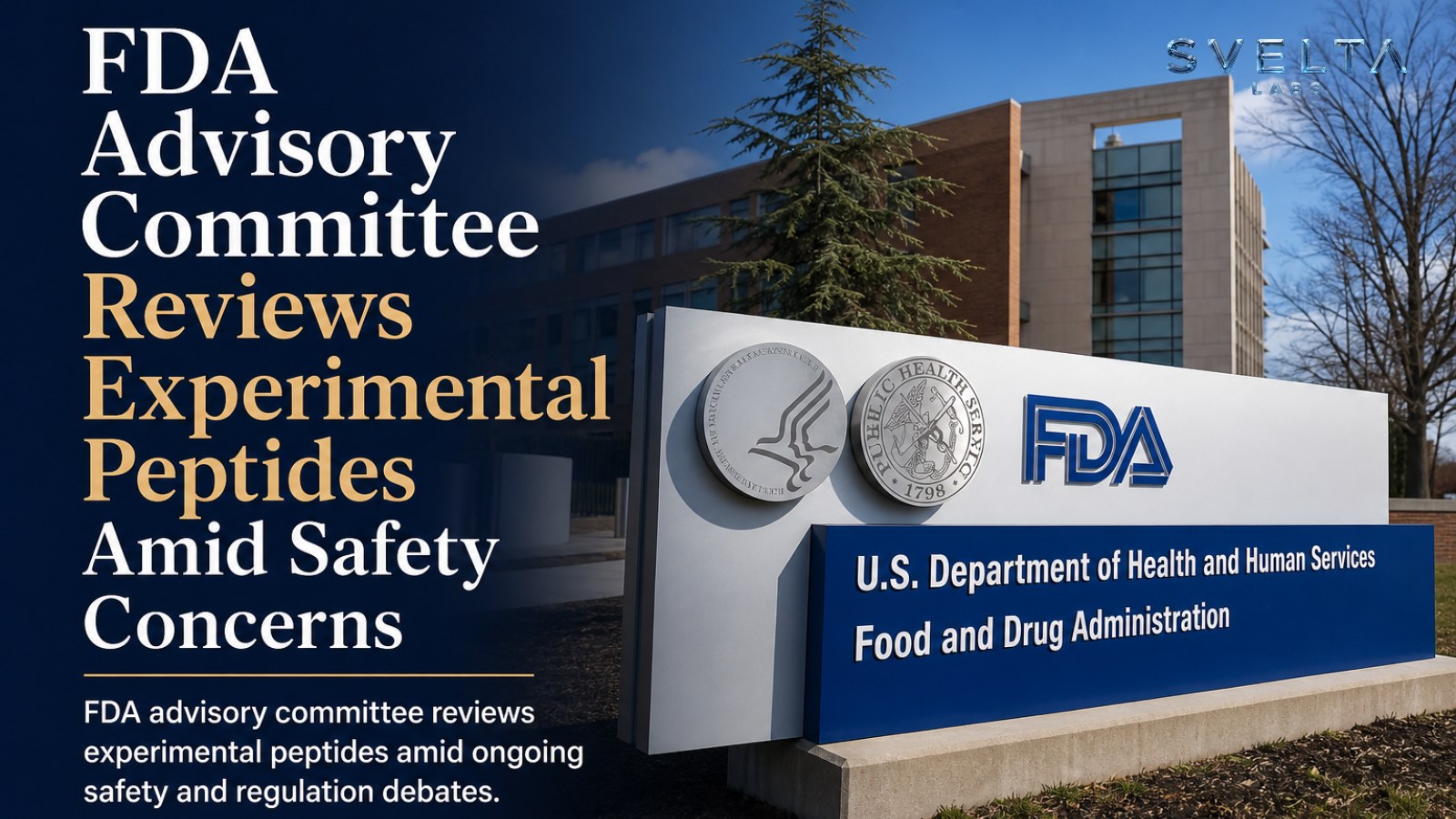
This week, the US Food and Drug Administration’s (FDA) Pharmacy Compounding Advisory Committee (PCAC) convenes to review seven peptides nominated for inclusion on the FDA’s 503A Bulks List. This list determines which substances compounding pharmacies can legally use to prepare customised medications under specific legal conditions.
The meeting is pivotal as it may influence whether these peptides become more accessible through regulated pharmacies or remain largely unregulated. Unlike full FDA drug approvals, inclusion on the 503A Bulks List does not require extensive clinical trials but assesses whether the peptides meet criteria for safe compounding.
Controversies and Safety Concerns
Many of these peptides are popular in wellness circles, promoted for muscle recovery, inflammation reduction, and longevity benefits. However, robust clinical trial data supporting these claims is generally lacking. Some peptides carry labels such as "research use only" or "not for human consumption," yet are often obtained online without medical supervision.
Experts caution that the long-term safety profiles, potential toxicities, and drug interactions of many experimental peptides remain unknown. Past FDA decisions have highlighted safety risks, including severe allergic reactions, leading to restrictions on compounding certain peptides.
Arguments for and Against Pharmacy Compounding
- Supporters argue that allowing regulated compounding pharmacies to prepare these peptides with prescriptions would reduce risks associated with unregulated online sources.
- Critics warn that legitimising these peptides through pharmacies may create a false impression of safety and efficacy without sufficient clinical evidence.
The committee includes health professionals who prescribe or promote peptides, reflecting a shift from previous academic-heavy panels. The final FDA decision will weigh these perspectives carefully.
Looking Ahead
As the peptide market grows within the $7 trillion wellness industry, regulatory clarity is needed to protect consumers and guide medical practice. The FDA’s deliberations will be closely watched by healthcare providers, researchers, and consumers alike.
For those interested in peptide research and product literacy, Svelta Labs offers scientifically informed insights and quality-controlled peptide products. Visit https://sveltalabs.com for more information.
Research Use Disclaimer: Peptides discussed here are intended for research purposes only. They are not approved for human use, diagnosis, treatment, or prevention of diseases. Safety and efficacy have not been established through comprehensive clinical trials.