
Obesity affects over one billion people globally and is linked to increased risks of cardiovascular disease, diabetes, and certain cancers. Despite widespread efforts, sustainable weight loss remains challenging due to complex biological factors involving the gut, brain, hormones, and metabolism.
Intermittent energy restriction (IER), a dietary approach alternating reduced calorie intake with normal eating periods, has gained attention for potential benefits beyond calorie reduction. A 2023 study involving 25 obese adults in China explored how IER influences the brain-gut-microbiome axis during weight loss.
Participants underwent a controlled fasting protocol with a high fasting phase followed by a low fasting phase, resulting in an average weight loss of 7.6 kilograms (7.8% of body weight). Alongside reductions in body fat and waist circumference, metabolic markers such as blood pressure, glucose, cholesterol, and liver enzyme activity improved.
Brain and Microbiome Changes Linked to Appetite Regulation
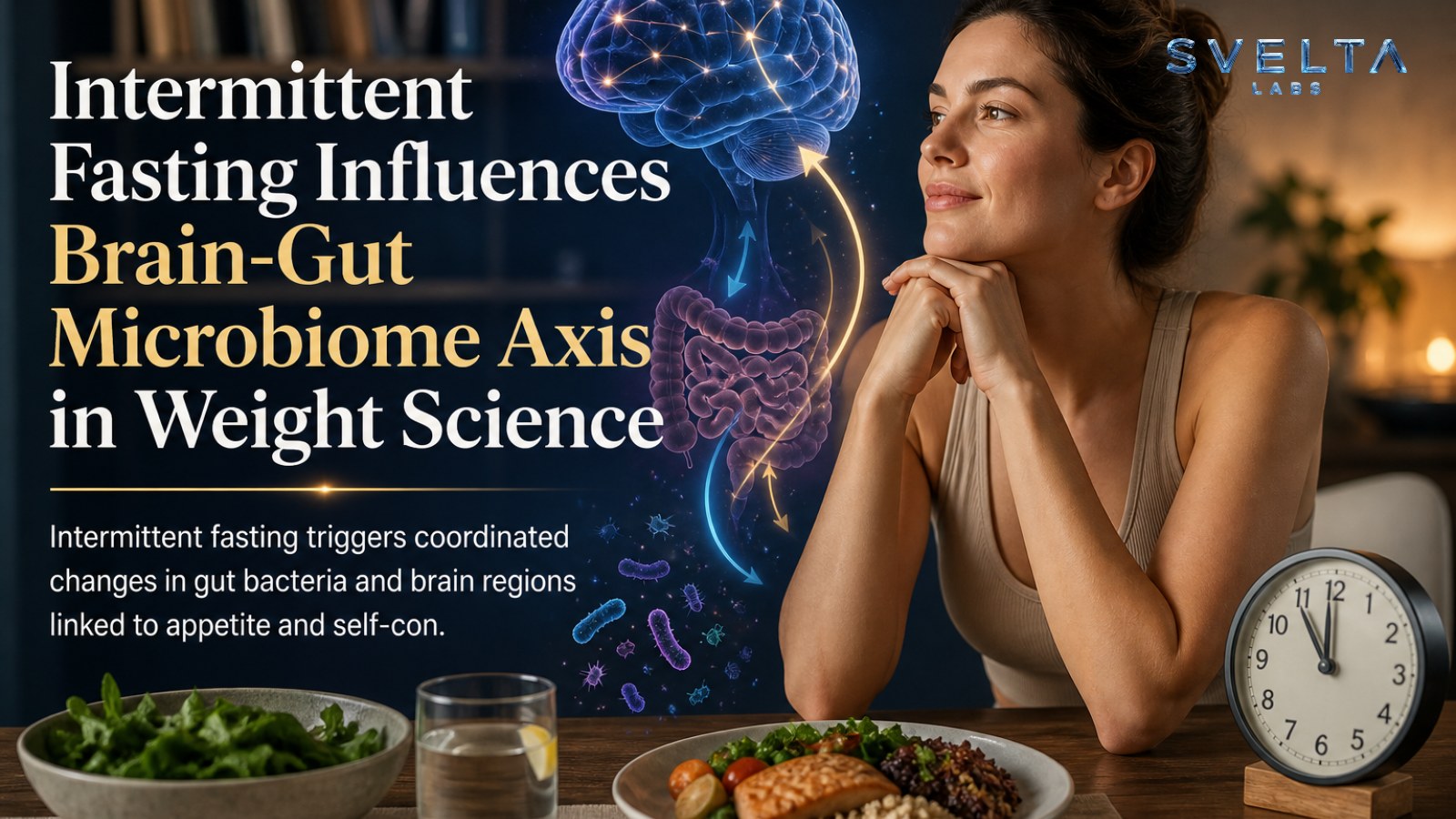
Functional MRI scans revealed decreased activity in brain regions associated with appetite and addiction-related behaviours, potentially explaining changes in food cravings and self-control during dieting. Concurrently, gut microbiome analysis showed significant shifts, including increases in Faecalibacterium prausnitzii, Parabacteroides distasonis, and Bacterokles uniformis, with decreases in Escherichia coli.
Notably, certain bacteria correlated with activity in brain areas involved in executive function, attention, emotion, and motor inhibition. These findings suggest a dynamic, bidirectional communication between gut microbes and brain function during weight loss.
Context and Future Directions in Weight Science
While this study highlights intriguing associations, it does not establish causality between microbiome changes and brain activity. Subsequent research in 2024 supports that intermittent fasting can alter gut microbial diversity and composition, though results vary widely depending on fasting protocols, diet composition, and individual biology.
Understanding the precise mechanisms of gut-brain communication is critical for advancing weight management strategies. This includes identifying key microbial species and brain regions that influence appetite and metabolic health. Such insights may complement emerging peptide-based compounds like retatrutide and tirzepatide, which are under investigation for metabolic regulation.
Research-use peptides and compounds related to weight science can be explored through specialist providers. For those interested in peptide research products, Svelta Labs offers a comprehensive range of research-grade peptides and educational resources at https://sveltalabs.com.
Research-use disclaimer: This article summarises early-stage scientific research and does not provide medical advice, dosing, or treatment recommendations. Human efficacy and safety require further clinical validation.